Fake ID Scams in 2026: What Reddit Reviews Reveal About Online Vendors
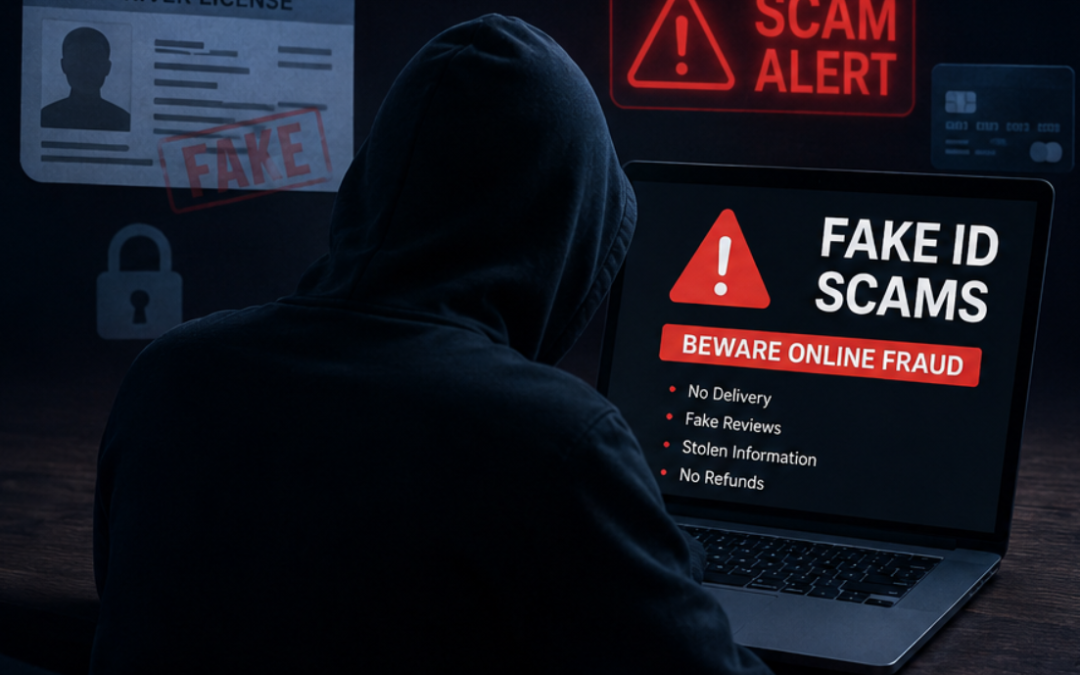
The internet has made it easier than ever for scammers to target consumers looking for products and services online. One area that has seen a significant increase in fraudulent activity is the fake ID industry. Every year, thousands of people search for fake ID websites, only to discover that many of them are scams designed to steal money, personal information, or both.
A quick search through Reddit discussions reveals countless stories from users claiming they were deceived by fake ID vendors. While some websites appear professional and trustworthy on the surface, many allegedly disappear after receiving payment, deliver poor-quality products, or never ship anything at all.
This article examines common fake ID scams, recurring patterns reported across online communities, and what Reddit users frequently say about their experiences in 2026.
Why Fake ID Websites Are Frequently Associated With Scams
Unlike legitimate online businesses, fake ID vendors typically do not provide:
- Verified business registration
- Consumer protection guarantees
- Chargeback-friendly payment methods
- Transparent ownership information
- Reliable customer support
As a result, scammers can create websites quickly, collect payments, and disappear before customers realize they have been defrauded.
Many Reddit users report that fake ID websites share several suspicious characteristics.
Common Fake ID Scam Tactics Reported Online
1. Taking Payment and Disappearing
One of the most common complaints involves vendors accepting payment and then cutting off communication.
According to numerous online reports, the pattern often looks like this:
- Customer places order.
- Website requests cryptocurrency payment.
- Vendor confirms payment.
- Communication slows down.
- Website stops responding entirely.
Since cryptocurrency transactions are generally irreversible, victims often have no practical way to recover funds.
2. Fake Tracking Numbers
Another frequently reported tactic involves providing tracking numbers that never update.
Some customers claim they receive:
- Invalid tracking codes
- Numbers linked to unrelated shipments
- Tracking pages that remain stuck in “label created” status
The purpose appears to be delaying refund requests and creating the illusion that an order is being processed.
3. Endless Excuses and Additional Fees
Some websites allegedly request additional payments after the initial order.
Common excuses include:
- Customs clearance fees
- Insurance payments
- Shipping upgrades
- Verification fees
- Production delays
Customers are often told that failure to pay will result in cancellation of the order.
In many reported cases, additional payments lead to further demands rather than delivery.
4. Stolen Website Reviews
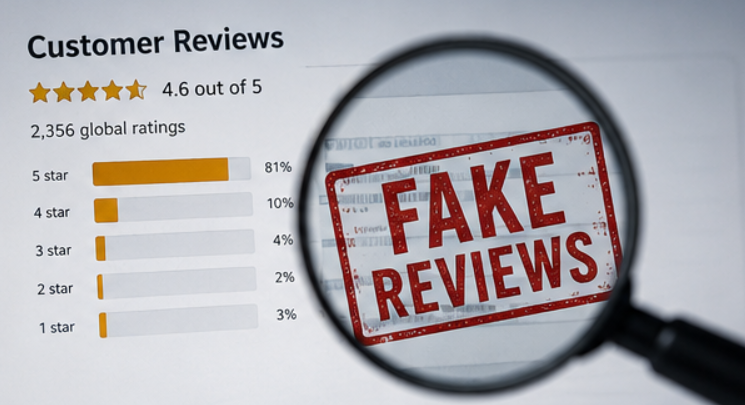
Many fake ID websites display hundreds of positive testimonials.
However, Reddit users frequently claim these reviews are fabricated.
Warning signs include:
- Generic wording
- Repeated phrases
- Stock profile fake id photos
- Reviews posted on identical dates
- Perfect five-star ratings
Some scam websites even copy reviews from competitors or unrelated businesses.
5. Identity Theft Risks
Perhaps the most serious concern involves personal information.
Fake ID orders often require:
- Full name
- Date of birth
- Address
- Photograph
- Signature
If submitted to a fraudulent website, this information could potentially be misused.
This is one reason cybersecurity experts frequently advise caution when sharing sensitive personal data online.
What Reddit Users Commonly Report
Reddit remains one of the largest platforms where people discuss fake ID vendors.
Although experiences vary widely, several recurring themes appear across discussions.
Website Longevity Matters
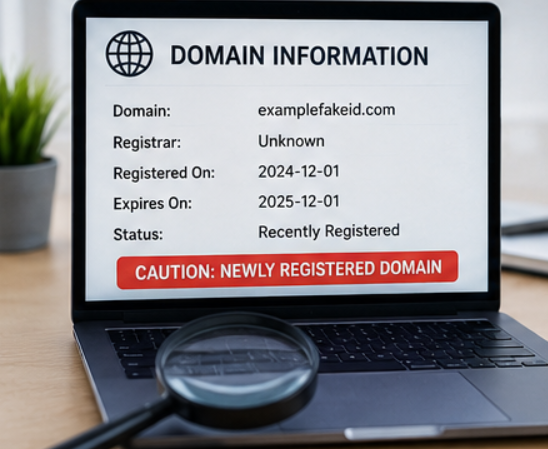
Many users claim newly registered websites are more likely to be scams.
Reddit discussions often suggest checking:
- Domain registration age
- Historical website records
- Online reputation
- Independent reviews
A website that appeared only weeks ago may warrant additional scrutiny.
Trustpilot and Review Sites Are Not Always Reliable
Many Reddit users warn against relying solely on review platforms.
Some vendors allegedly manipulate ratings by:
- Purchasing positive reviews
- Creating fake accounts
- Offering incentives for favorable feedback
As a result, Reddit users often cross-reference information from multiple sources before making judgments.
Cryptocurrency Payments Increase Risk
A recurring recommendation across online discussions is to be cautious when vendors insist exclusively on cryptocurrency.
While cryptocurrency itself is legitimate, scammers frequently prefer it because transactions are difficult to reverse.
Several Reddit users report losing funds after paying vendors who later disappeared.
Too-Good-To-Be-True Claims
Another common warning sign involves unrealistic promises.
Examples include claims such as:
- “100% guaranteed pass”
- “Undetectable by authorities”
- “Government database registered”
- “Perfect scan quality”
Reddit users often view these statements as major red flags.
Warning Signs of a Fake ID Scam Website
When examining fake ID websites, several warning indicators frequently appear.
Poor Website Quality
Scam sites often contain:
- Grammar mistakes
- Broken pages
- Missing policies
- Low-resolution images
- Generic templates
While professional design does not guarantee legitimacy, poor quality can be a warning sign.
No Verifiable Contact Information
Many questionable websites provide only:
- Anonymous email addresses
- Telegram usernames
- Contact forms
The absence of verifiable contact details makes accountability difficult.
Newly Registered Domains
Fraudulent operators often cycle through domains quickly.
Common patterns include:
- Frequent domain changes
- Recently registered websites
- Multiple identical websites under different names
This tactic helps scammers evade negative reviews.
Unrealistic Delivery Times
Many vendors advertise delivery within a few days regardless of destination.
Users frequently report that such claims do not match reality.
Pressure Tactics
Scammers often create urgency by claiming:
- Limited-time discounts
- Price increases
- Production shortages
- Closing sales
These tactics encourage rushed decisions.
How Scammers Use Social Media
Fake ID scammers increasingly rely on social media marketing.
Common methods include:
Fake Review Videos
Videos may show:
- Packages being opened
- IDs being displayed
- Positive customer reactions
However, authenticity is often impossible to verify.
Paid Promotions
Some accounts pay influencers or affiliates to drive traffic.
Potential customers should remember that paid promotion does not confirm legitimacy.
Impersonation Accounts
Scammers sometimes create accounts that mimic established vendors.
Victims may unknowingly communicate with impersonators rather than the original business.
Why Domain Research Matters
One of the most effective ways to investigate a website involves analyzing its domain history.
Factors worth examining include:
- Registration date
- Ownership changes
- Historical content
- Reputation records
- Search engine visibility
Older domains are not automatically trustworthy, but a long operating history can provide additional context.
Common Psychological Tricks Used by Fake ID Scammers
Scammers frequently rely on human psychology.
Social Proof
Displaying hundreds of positive reviews creates the impression that a vendor is trusted.
Scarcity
Claims of limited availability encourage impulsive decisions.
Authority
Professional-looking websites can make vendors appear more legitimate than they actually are.
Fear of Missing Out
Special offers and countdown timers pressure visitors into acting quickly.
Recognizing these techniques can help consumers make more informed decisions.
The Financial Cost of Fake ID Scams
Losses vary significantly.
Reported victims often lose:
- Initial order payments
- Additional processing fees
- Shipping charges
- Verification fees
In some cases, losses exceed several hundred dollars.
When identity information is involved, the long-term consequences may be even more serious.
How to Research a Website Before Sending Money
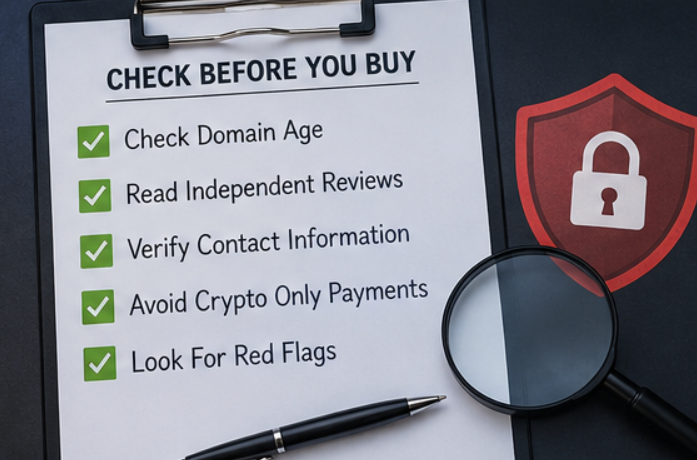
Before making any online purchase, users should conduct basic due diligence.
Helpful steps include:
Check Domain Age
Investigate when the domain was registered.
Search Independent Discussions
Look beyond website testimonials.
Independent communities often provide more balanced information.
Review Historical Records
Archived versions of websites may reveal ownership changes or suspicious patterns.
Examine Payment Methods
Be cautious when websites refuse all payment options except irreversible methods.
Verify Contact Information
Legitimate businesses generally provide multiple ways to contact them.
The Future of Fake ID Scams in 2026
As technology advances, scammers continue to evolve.
Emerging trends include:
- AI-generated testimonials
- Deepfake review videos
- Automated customer support bots
- Sophisticated website designs
These developments make it increasingly difficult to distinguish legitimate businesses from fraudulent operations.
Consumers should expect scams to become more convincing over time.
Final Thoughts
Reddit discussions and online reviews reveal a consistent theme: fake ID scams remain widespread in 2026.
While individual experiences differ, common complaints include non-delivery, communication breakdowns, additional payment demands, fake reviews, and identity theft concerns.
Anyone researching fake ID vendors should approach online claims with caution, verify information through multiple independent sources, and understand the risks involved before sharing personal information or sending money.
The most effective defense against online scams remains careful research, skepticism toward unrealistic promises, and awareness of the warning signs commonly reported by consumers across the internet.
As scammers become more sophisticated, informed decision-making becomes more important than ever.