
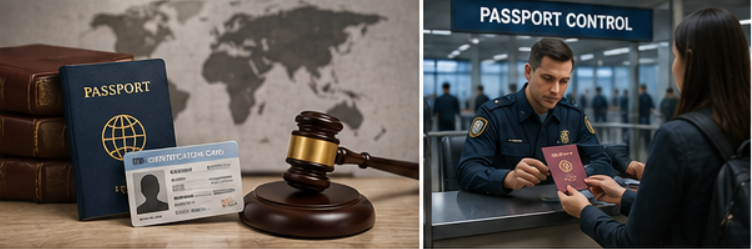
Quick Answer: Most countries treat the creation, possession, or use of forged government identification documents as a criminal offense, although the exact laws and penalties vary by jurisdiction.
Why Governments Strictly Regulate Identity Documents
Identity documents form the backbone of modern verification systems. They are used for:
- Banking and financial services.
- International travel.
- Employment eligibility.
- Age-restricted purchases.
- Government services.
Because these documents establish legal identity, governments worldwide impose penalties for forgery and fraudulent use.
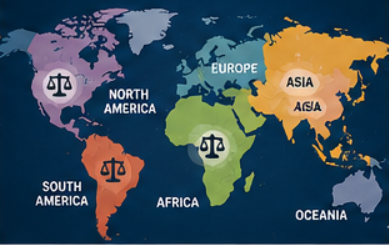
Overview of Fake ID Laws by Region
🇺🇸 United States
Federal and state laws may apply depending on the conduct involved. Identity fraud, document forgery, and related offenses are often prosecuted under separate statutes.
🇨🇦 Canada
Canadian criminal law addresses document forgery, identity fraud, and deception-related offenses.
🇬🇧 United Kingdom
The UK maintains legislation covering fraud, forgery, and misuse of identity documents, with enforcement varying according to the circumstances.
🇪🇺 European Union
While each member state has its own criminal code, many cooperate through cross-border initiatives designed to combat identity fraud and document forgery.
🇦🇺 Australia & 🇳🇿 New Zealand
Both countries maintain laws relating to identity crime, official document misuse, and related deceptive conduct.
🌏 Asia and the Middle East
Many jurisdictions in Asia and the Middle East impose strict legal controls over forged identity documents due to their impact on public administration and border security.

Comparison Table: Global Approach to Identity Document Fraud
| Region | General Legal Approach |
|---|---|
| United States | Combination of federal and state laws |
| Canada | Criminal penalties for forgery and deception |
| United Kingdom | Fraud and identity legislation |
| European Union | National laws with regional cooperation |
| Australia | Identity crime and forgery statutes |
| New Zealand | Forgery and deception laws |
| Asia | Varies by country but often strict |
| Middle East | Strong emphasis on document integrity |
Digital IDs and the Future of Identity Verification

Governments around the world are adopting:
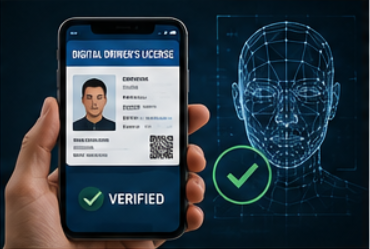
- Mobile driver’s licenses (mDLs).
- Digital identity wallets.
- Biometric verification systems.
- AI-assisted document authentication.
As digital identification becomes more common, lawmakers are increasingly updating legal frameworks to address electronic identity fraud and cyber-enabled document manipulation.
Why Businesses Need to Understand Identity Verification Laws
Businesses that verify customer identities should maintain:
- Secure document handling procedures.
- Staff training on verification processes.
- Compliance with data privacy regulations.
- Policies for handling suspicious documentation.
Strong verification procedures help reduce fraud while protecting both organizations and consumers.
Frequently Asked Questions
Are fake ID laws the same worldwide?
No. Laws differ by country, although many prohibit forged or fraudulently used identity documents.
Are digital IDs legally protected?
Increasingly, yes. Many governments are updating laws to include electronic identity credentials.
Why are governments investing in digital identity systems?
Digital systems can improve security, streamline verification, and reduce certain forms of identity fraud.
Final Thoughts
Identity document laws continue to evolve as governments respond to digital transformation and growing cybersecurity challenges. Understanding the legal framework surrounding identity verification and document fraud helps consumers and businesses make more informed decisions while navigating an increasingly digital world.