he internet has transformed how people verify their identities, access financial services, and complete online transactions. From opening bank accounts to signing digital contracts, identity verification has become an essential part of everyday life. Unfortunately, this growing reliance on digital identification has also created opportunities for fraudsters. Among the most common online threats are fake ID websites—platforms that claim to sell counterfeit identification documents or impersonate legitimate verification services.
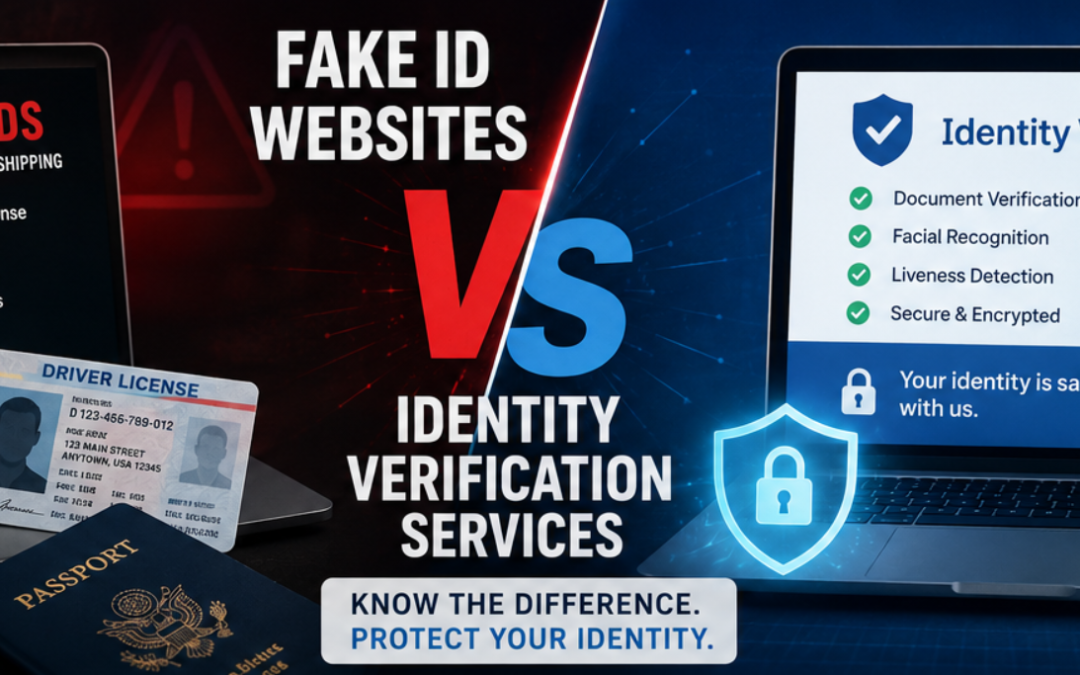
Understanding the difference between fake ID websites and genuine identity verification services is essential for protecting yourself, your business, and your personal information. Although both involve identity documents, they serve entirely different purposes. One exists to facilitate fraud or deceive users, while the other is designed to prevent fraud and ensure trust in digital interactions.
This guide explains how fake ID websites operate, how legitimate identity verification services work, the risks associated with counterfeit documents, and the best practices for staying safe online.
What Are Fake ID Websites?
Fake ID websites are online platforms that advertise counterfeit identification documents, including driver’s licenses, passports, student IDs, residency cards, and other forms of government-issued identification. These sites often promote unrealistic claims such as:
- “Undetectable IDs”
- “100% authentic replicas”
- “Guaranteed delivery”
- “Works everywhere”
- “No verification required”
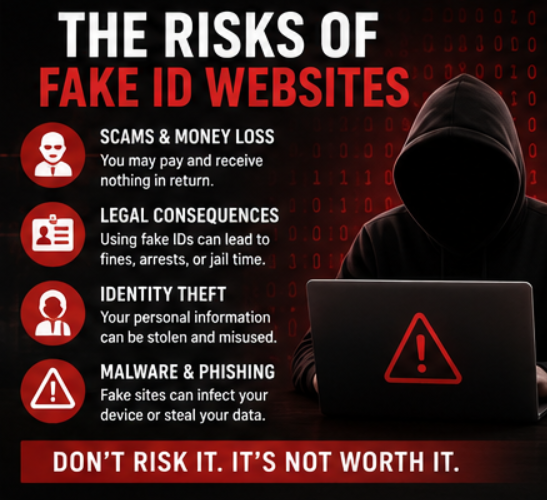
While these promises may seem convincing, many of these websites are scams themselves. Some never deliver any product after receiving payment, while others steal personal information or financial details from unsuspecting visitors.
Even if a counterfeit document is delivered, possessing or using forged identification can have serious legal consequences depending on the jurisdiction.
Why Fake ID Websites Exist
Counterfeit document websites generally operate for one or more of the following reasons:
- Collect upfront payments without delivering anything.
- Harvest personal information for identity theft.
- Obtain credit card information.
- Sell counterfeit documents.
- Conduct phishing campaigns.
- Distribute malware through fake downloads.
- Create fraudulent online marketplaces.
Many fake ID websites disappear within weeks before reappearing under a different domain name.
How Fake ID Websites Attract Visitors
Fraudulent websites rely on persuasive marketing rather than legitimacy. Common tactics include:
Professional-Looking Websites
Modern scam websites often feature:
- High-quality graphics
- Fake customer testimonials
- Stock photography
- Live chat widgets
- Countdown timers
- Fake trust badges
These elements are intended to create a false sense of credibility.
Unrealistic Guarantees
Common marketing claims include:
- Lifetime replacement
- Guaranteed acceptance
- Government-quality printing
- Worldwide shipping
- Anonymous ordering
These promises are designed to encourage impulsive purchases.
Anonymous Payments
Many fraudulent sites request payment using methods that are difficult or impossible to reverse, including:
- Cryptocurrency
- Gift cards
- Wire transfers
- Peer-to-peer payment services
Once payment is sent, recovering the funds is often extremely difficult.
What Are Identity Verification Services?
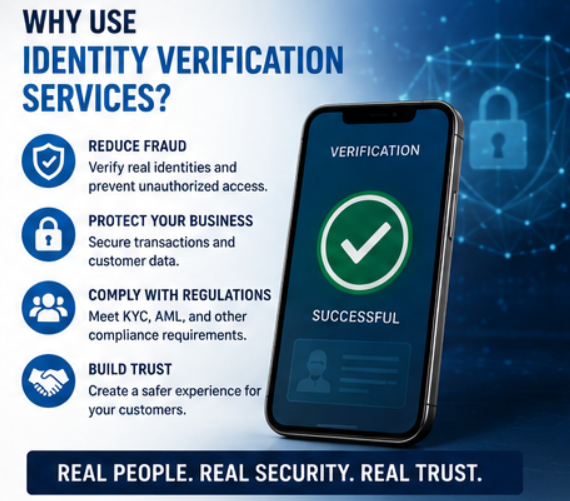
Identity verification services are legitimate platforms that help organizations confirm that a person is who they claim to be. Rather than creating identity documents, these services validate existing government-issued identification and verify user identity through secure processes.
Common users include:
- Banks
- Financial institutions
- Healthcare providers
- Online marketplaces
- Employers
- Government agencies
- Insurance companies
- Telecommunications providers
Their primary goal is to reduce fraud, comply with regulations, and protect both businesses and customers.
How Identity Verification Works
Modern identity verification services typically combine several security measures.
Document Verification
Users upload an image of an official identification document.
The system analyzes security features such as:
- Fonts
- Holograms
- Document layout
- Machine-readable zones
- Expiration dates
- Tampering indicators
Facial Verification
Many platforms ask users to take a selfie.
The system compares the live facial image with the photo on the identification document to confirm they belong to the same person.
Liveness Detection
To prevent fraud using printed photos or recorded videos, verification systems often require users to blink, smile, turn their head, or perform another simple action. This helps confirm that a real person is present during the verification process.
Database Checks
Depending on the service and applicable laws, some providers compare submitted information against trusted databases to validate identity details.
Major Differences Between Fake ID Websites and Identity Verification Services
| Fake ID Websites | Identity Verification Services |
|---|---|
| Promote counterfeit documents | Verify authentic identities |
| Often operate anonymously | Operate as legitimate businesses |
| May request anonymous payment methods | Use secure payment systems (if applicable) |
| Frequently disappear and change domains | Maintain established business operations |
| Can expose users to scams and fraud | Help reduce fraud and protect users |
| Encourage illegal or deceptive activity | Support compliance with legal and regulatory requirements |
Why Businesses Use Identity Verification
As more services move online, organizations need reliable ways to confirm customer identities. Identity verification helps businesses:
- Reduce account fraud
- Prevent identity theft
- Meet regulatory requirements
- Improve customer trust
- Secure digital transactions
- Detect suspicious activity
- Minimize financial losses
Industries such as banking, e-commerce, and healthcare rely heavily on these systems to protect sensitive information and comply with applicable laws.