Disclaimer: This article is for informational and educational purposes only. It does not constitute legal advice, nor does it endorse the purchase, manufacture, or use of fraudulent identification documents. Laws regarding novelty IDs vary by jurisdiction. Always consult with a legal professional regarding the laws in your specific area.
The internet is a vast marketplace where virtually anything can be bought or sold, including items that straddle the line of legality.
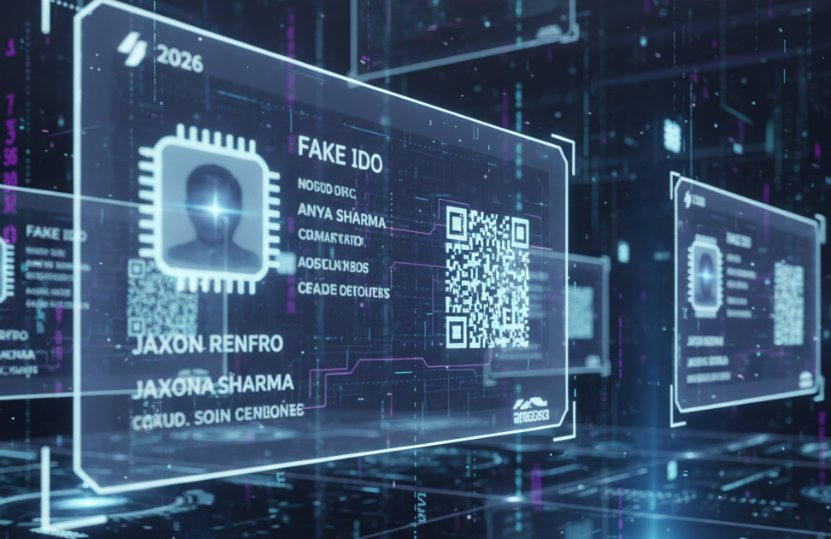
Among the most searched-for and controversial items are novelty identification cards. As we approach 2026, the technology behind these cards has evolved significantly, leading to a surge in sophisticated websites offering high-quality replicas.
For many, the curiosity surrounding these cards is high. Are they legal? How do they work? What technology is used to create them? While the allure of “novelty” items is strong, navigating this digital terrain requires a clear understanding of the law, safety protocols, and the technological standards that define the market.
This article delves into the complex world of novelty identification websites as we look ahead to 2026. We will explore the legal nuances, the cutting-edge printing technology used by top-tier providers, and the critical safety measures consumers must understand before engaging with these platforms.
Whether you are researching for educational purposes or general curiosity, understanding the mechanics of this industry is essential.
The Legal Landscape of Novelty IDs in 2026
The most pressing question surrounding this industry is simple: Is it legal? The answer, however, is far from black and white. It relies heavily on intent, jurisdiction, and the specific laws governing the production and possession of identification documents.
The Definition of “Novelty” vs. “Forgery”
In many legal systems, owning a “novelty” card is not inherently illegal if it is clearly not intended to be used as a fraudulent government document. A novelty card might feature a picture of a pet, a fictional name, or a design that clearly distinguishes it from an official state ID.
However, the moment a card is designed to mimic a specific government-issued driver’s license or passport with the intent to deceive—whether to buy alcohol underage, enter a restricted venue, or commit identity theft—it crosses the line into forgery and fraud.
The Network of Fake ID Websites Active in 2026
- Fakeyourid.com – Best for fake ids (US, UK, CA). [VERIFIED]
- www.idtop.is – Active for (USA ids). [VERIFIED]
- Hotfakeid.com – Most popular for (USA, UK ids). [VERIFIED]
- Fakeids.com – Active for (US IDs) [NOT VERIFIED]
- IDGOD.ph – Active for (UK, US) IDs. [NOT VERIFIED]
Federal and State Laws
In the United States, the production, sale, and possession of false identification documents are serious offenses. The False Identification Crime Control Act of 1982 and subsequent amendments make it a federal crime to knowingly produce or transfer false identification documents.
By 2026, we anticipate even stricter digital policing regarding these transactions. Authorities are increasingly cracking down on the supply chain, tracking crypto payments, and intercepting packages at international borders. Buyers should be aware that mere possession of a high-quality fake ID, even without use, can lead to misdemeanor or felony charges depending on the state.

Analyzing Top-Rated Providers: What Sets Them Apart?
Despite the legal risks, the market for novelty IDs persists. In 2026, the ecosystem is dominated by a handful of established vendors who have built reputations based on specific criteria: print quality, material authenticity, and stealth shipping.
The “Big Three” Criteria
When users review these sites on forums and Reddit threads, they generally evaluate them based on three factors:
- Material Consistency: Does the card feel like a rigid polycarbonate or a flimsy piece of plastic? Authentic IDs have a specific tactile feel that cheap novelties lack. Top-rated sites in 2026 are investing heavily in industrial-grade printers that can handle polycarbonate substrates.
- Color Matching: State IDs use specific color palettes that are difficult to replicate. Standard home printers cannot achieve the specific hues and gradients found on official documents. Leading vendors use offset printing techniques to achieve color accuracy.
- Template Accuracy: Governments update their ID templates every few years. A top-rated provider in 2026 is one that keeps its templates up-to-date with the latest Real ID compliance standards, ensuring that fonts, spacing, and layout are identical to current regulations.
The Tech Breakdown: Security Features Explained
The “cat and mouse” game between authorities and counterfeiters drives rapid technological advancement. As states implement new security measures, novelty ID manufacturers rush to replicate them. Understanding these features offers insight into why some replicas are considered “high quality” while others are obvious fakes.
Scannable Barcodes and Magnetic Strips
The back of an ID is just as important as the front. Modern licenses contain 2D barcodes (PDF417 codes) and magnetic strips that store the information printed on the front of the card.
- The 2026 Standard: High-end novelty cards are now programmed with valid data structures. When scanned by a reader, the information matches the front of the card. However, advanced scanners used by law enforcement can often detect inconsistencies in the data encoding that commercial apps might miss.
UV Overlays and Ghost Images
Under ultraviolet light, legitimate IDs reveal hidden images and text. This is a primary method bouncers and TSA agents use to verify authenticity.
- Multispectral Printing: Manufacturers now use specialized UV ink that is invisible to the naked eye but glows under blacklight. The complexity of these UV designs—often intricate patterns or state seals—requires expensive printing hardware.
- Ghost Images: This is a semi-translucent copy of the cardholder’s photo, usually placed in a different location on the card. Creating a ghost image that blends seamlessly into the background without looking like a sticker is a hallmark of high-quality production.
Holograms and OVI
Optically Variable Ink (OVI) and holograms change color or appearance when the card is tilted. This is historically one of the hardest features to counterfeit.
- Tactile Holograms: By 2026, we are seeing the rise of tactile features where you can physically feel the raised print of the hologram. Vendors achieving this level of detail are operating with industrial-grade laminators that apply heat and pressure to fuse the holographic layer into the card stock.
Safety Guide: Protecting Your Data in the Underground Market
Engaging with novelty ID websites exposes users to significant digital security risks. These operate in an unregulated, gray-market environment. Sending personal photos, addresses, and payment to anonymous entities requires extreme caution.
The Risk of Identity Theft
The biggest risk isn’t just losing money on a card that never arrives; it’s identity theft. By providing your real name, address, date of birth, and a high-resolution photo, you are handing over a “kit” for identity fraud. Unscrupulous vendors may resell this data on the dark web.
- Safety Tip: Never use your primary email address. Always communicate through encrypted channels if possible.
Financial Security
Legitimate credit card processors rarely work with novelty ID sites due to the high risk of chargebacks and legal liability. Consequently, these sites often request payment via cryptocurrency (Bitcoin, Litecoin) or money transfer services.
- The Crypto Standard: In 2026, cryptocurrency remains the standard. It offers anonymity for both the buyer and the seller. If a site asks for a direct credit card payment, it is often a red flag for a “honey pot” operation or a direct scam to steal financial information.
Evaluating User Experience: Support and Shipping
In an industry where the customer cannot legally complain to the Better Business Bureau, service quality varies wildly.
Responsiveness and “Exit Scams”
Reliable vendors maintain active communication channels, usually through encrypted apps or dedicated support tickets. A common pattern in this industry is the “exit scam,” where a previously reliable vendor takes orders for weeks without fulfilling them, then disappears with the money.
- 2026 Warning Signs: Buyers should be wary of vendors who suddenly offer massive discounts or stop responding to emails. Community forums are vital for tracking the current status of a vendor.
Shipping Stealth and Timelines
Shipping is the most vulnerable part of the process. International shipments pass through customs, where x-rays and inspections can intercept packages.
- Stealth Methods: To evade detection, vendors use “stealth” shipping. This involves hiding the ID inside innocuous objects like books, toys, or electronic accessories.
- Timelines: In 2026, the expectation for “rush” shipping has diminished due to tighter border controls. Most high-quality providers quote 2-4 weeks for delivery, as rush jobs often result in sloppy errors or intercepted packages.
Pros and Cons of Featured Websites
If you are researching the current market leaders, it helps to visualize the trade-offs. Here is a comparative look at how different tiers of vendors typically operate.
| Feature | Tier 1 (Premium Vendors) | Tier 2 (Mid-Range) | Tier 3 (Budget/Scam) |
|---|---|---|---|
| Price Point | High ($100 – $200+) | Moderate ($60 – $100) | Low (<$50) |
| Material Quality | Polycarbonate, rigid, authentic “click” sound. | PVC or composite, slightly flexible. | Laminated paper or flimsy plastic. |
| Security Features | UV, OVI, Tactile text, Scannable. | Basic UV, static holograms. | Printed-on features (non-reactive). |
| Shipping | High-level stealth (hidden in products). | Basic envelope concealment. | Standard envelope (high seizure risk). |
| Customer Support | Encrypted chat, responsive. | Email only, slow response. | Non-existent. |
| Risk Profile | Lower seizure risk, higher cost. | Moderate risk. | High risk of theft or non-delivery. |
The Ethical and Legal Reality
As we survey the landscape of novelty ID websites in 2026, the technology is undeniably impressive. Vendors have managed to replicate complex government security features with alarming accuracy. However, the sophistication of the product does not negate the legal and ethical implications of its use.
Using a fake ID to circumvent the law carries consequences that can last a lifetime. Beyond the immediate legal penalties—fines, community service, or jail time—a fraud conviction can impact future employment opportunities, financial aid eligibility, and professional licensing.
Furthermore, supporting these websites often funds unregulated criminal enterprises. While a user might see it as a harmless way to get into a club, the revenue streams from these sites often intertwine with other illicit digital black markets.
Final Recommendations
- Prioritize Legality: The safest course of action is always to wait until you are of legal age or to use valid, government-issued identification. The risks associated with fake IDs—legal, financial, and personal—far outweigh the temporary benefits of accessing age-restricted venues.
- Protect Your Privacy: If you choose to navigate this web, do not compromise your digital identity. The risk of having your personal data sold is higher than the risk of legal trouble in many cases.
- verify Sources: Do not trust website testimonials. Rely on independent, third-party discussions if you are researching the legitimacy of a vendor.