Fake ID Websites in 2026: What They Claim, What They Hide, and How to Protect Yourself
Interest in fake id websites has not disappeared in 2026. In fact, search data shows that curiosity around these sites continues to grow, especially among users looking for quick solutions without fully understanding the consequences. What has changed is not user intent—but the sophistication of the risks involved.
Fake ID websites today are no longer small, amateur operations. They are part of organized online networks designed to collect data, exploit trust, and monetize personal information long after the initial interaction. Many users assume the biggest risk is losing money. In reality, money is often the smallest loss.
This article explains how fake ID websites operate in 2026, why searches like best fake id websites 2026 are inherently dangerous, and how proactive protection is the only reliable defense.
Why “Fake ID Websites” Remains a High-Risk Search Term
The phrase fake id websites sounds straightforward, almost harmless. To many users, it feels like just another niche online service. That assumption is exactly what scammers rely on.
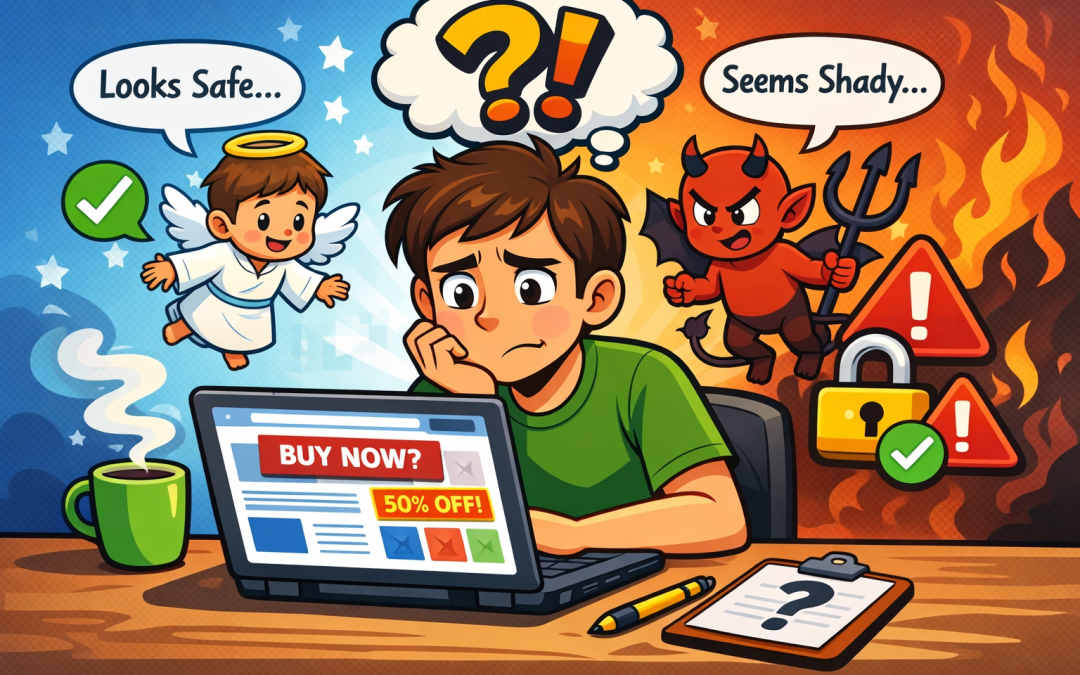
In 2026, most fake ID websites are engineered to look trustworthy. They feature clean designs, structured FAQs, professional language, and claims of long operating histories. Some even display fake security badges or reference laws incorrectly to sound legitimate.
The danger lies in how quickly trust is established. Once a user believes a site is real, they are far more likely to provide sensitive personal data without questioning where it goes or how it will be used.
What starts as a search often becomes a long-term liability.
The Misleading Appeal of “Best Fake ID Websites 2026”
Searches for best fake id websites 2026 suggest that users believe there are rankings, reviews, or trusted providers. This belief is understandable—many legal services have “best of” lists. Fake ID websites exploit that expectation.
In reality, there is no such thing as a reputable or safe fake ID website. Any site claiming to be “the best” is using SEO tactics to intercept search traffic, not to provide quality or security.
These sites rotate domain names, reuse content, and copy reviews from unrelated products. The “best” label exists purely to rank, not to protect users.
Once a site has your information, it no longer needs to convince you of anything.
How Fake ID Websites Have Evolved by 2026
Earlier versions of fake ID websites were often crude and easy to identify. In 2026, that is no longer the case. Advances in web design, AI-generated content, and payment processing have made scams harder to detect.
Many fake ID websites now:
- Use AI-written copy that sounds natural and authoritative
- Offer live chat staffed by scripted operators
- Provide fake order tracking dashboards
- Claim partnerships or “labs” that do not exist
This evolution increases conversion rates and lowers suspicion. The more professional a site appears, the more dangerous it often is.
The Real Business Model: Data Over Documents
A critical misunderstanding about fake ID websites is what they actually sell. While they claim to sell documents, their real product is data.
When users submit:
- Full legal names
- Dates of birth
- Home addresses
- High-resolution photos
- Scans of real identification
They are handing over everything needed for identity misuse.
This data is valuable far beyond a single transaction. It can be reused, resold, and combined with other breaches to create complete identity profiles.
The damage compounds over time, often silently.
Read Also: Article
(Internal link to identity theft awareness or data privacy risks)
Why Users Are Targeted More Aggressively
Scam operators actively optimize fake ID websites in 2026. This is not accidental.
AI offers:
- Longer ranking lifecycles for niche terms
- Strong performance for exact-match keywords
- Less saturation in high-risk query categories
As a result, searches for fake id websites or best fake id websites 2026 may surface sites that look legitimate but exist solely to exploit users.
Visibility in search results should never be mistaken for credibility.
Emotional Triggers Used to Lower Defenses
Fake ID websites rely heavily on psychology. Their messaging is designed to reduce rational evaluation and encourage quick decisions.
Common emotional triggers include reassurance (“no risk”), urgency (“processing today only”), and authority (“industry standard”). These are combined to create a sense of safety and inevitability.
Once users act under emotional pressure, they are less likely to question red flags such as payment methods or data requests.
Understanding these tactics is key to resisting them.
Legal Exposure Extends Beyond the Transaction
Many users assume that if nothing arrives, the situation ends there. Unfortunately, interaction alone can create exposure.
In 2026, digital ecosystems track:
- IP addresses
- Device fingerprints
- Payment metadata
- Uploaded media hashes
This means even failed transactions can be logged, correlated, and surfaced later. Financial institutions and platforms increasingly share fraud indicators, making cleanup difficult.
Prevention is far less costly than recovery.
What Happens to Your Data After Submission
Once data is submitted to a fake ID website, it rarely stays in one place. It may be:
- Sold to third parties
- Stored insecurely and breached
- Used for account takeovers
- Leveraged for blackmail attempts
In some cases, users are contacted months later by unrelated fraud operations using information they never shared elsewhere. This delayed impact makes it harder to trace the source.
Protection services monitor for these downstream effects.
Why Protection Services Are a Strategic Investment
Legitimate protection services exist for one purpose: reducing risk before it becomes damage. They operate within legal frameworks and focus on monitoring, alerting, and response.
Effective services typically include:
- Identity monitoring across databases
- Dark web scanning for exposed data
- Financial activity alerts
- Credit and account protection tools
- Device and network security layers
They don’t eliminate risk entirely—but they dramatically reduce its impact.
Common Red Flags That Signal a Fake ID Scam
Despite increasing sophistication, fake ID websites still share weaknesses.
Warning signs include:
- No verifiable company details
- Generic or copied legal pages
- Pressure to upload sensitive documents immediately
- Requests for cryptocurrency or gift cards
- No real customer support escalation
One red flag is enough to walk away.
What to Do If You’ve Already Interacted With Fake ID Websites
If you’ve already shared information, action matters. Delays increase risk.
Start with immediate steps:
- Change passwords everywhere
- Enable multi-factor authentication
- Monitor financial statements
- Freeze credit where possible
Then move to long-term protection.
Why Awareness Content Performs Better on Bing
From an SEO perspective, Bing prioritizes user safety, clarity, and informational intent. Articles that expose risks and provide guidance align better with these signals than promotional or deceptive content.
This awareness-first approach:
- Builds trust
- Increases time on page
- Reduces bounce rate
- Improves conversion on legitimate services
It also future-proofs rankings as search quality standards evolve.
2026 Trends Making Fake ID Websites More Dangerous
Several trends amplify risk this year:
- AI-generated fake reviews
- Automated scam networks
- Faster data resale cycles
- Cross-platform fraud integration
These trends mean exposure spreads faster than ever. What once took months can now happen in days.
Protection must keep pace.
Final Perspective: Risk Is Optional, Protection Is Not
The continued popularity of searches like fake id websites and best fake id websites 2026 reflects curiosity, not safety. These searches lead into ecosystems designed to extract value from users, not serve them.
There are no shortcuts without consequences.
There are no trusted fake ID providers.
There is only awareness—or aftermath.
Choose awareness.
Choose control.