The numbers are staggering – about 59% of young people aged 15-20 now have fake IDs. These counterfeit documents add up to more than 14 million false identities across the country. What started as teenage pranks has grown into a sophisticated criminal operation.
Modern counterfeit IDs look identical to official government documents. Criminals now pack these fakes with cutting-edge features – laser engraving, holographic overlays, and smart chips. Anyone looking to buy these counterfeits can find countless websites that sell state-specific replicas. Prices range from $35 to several hundred dollars. Many sellers take cryptocurrency payments to stay anonymous.
Law enforcement faces an uphill battle. Last year’s 51 operations led to 418 arrests and seized 459 fake documents. Yet fake ID websites keep multiplying. These documents no longer just help kids buy alcohol – they’ve become tools for serious identity theft. This piece reveals the dark reality of online fake ID operations in 2026, their hard-to-detect technology, and the legal risks that come with using or owning these counterfeits.
Why fake IDs are no longer a joke
Fake IDs aren’t just harmless teenage mischief anymore. What used to be a college student’s ticket to the bar scene has turned into something much darker.
From teenage mischief to serious crime
The truth about fake IDs in 2026 paints a darker picture than what you see in movies and TV shows. These counterfeit documents used to be all about underage drinking. Now law enforcement sees them as doorways to more serious crimes. LaFonda D. Sutton-Burke, Director of Field Operations at Chicago Field Office, puts it clearly: “The reasoning for buying fake IDs has evolved from teenagers trying to get into bars to more nefarious activity”.
These counterfeit documents have strong ties to organized crime. “Fake documents are associated with identity theft and human trafficking, and the revenue generated from their sales is known to fund organized crime”. This connection has made authorities take fake ID possession more seriously than ever before.
Legal penalties have gotten tougher too. Each state handles cases differently:
- Just having a fake ID can lead to misdemeanor charges with up to a year in jail and $1000 in fines
- Using fake IDs for fraud or identity theft can raise charges to felony level
- Felony convictions might put you behind bars for a year or more, up to 10 years
- Felony fines can hit $100,000
College students make up many fake ID users and face tough consequences. Studies show 12.5 percent of pre-college students and 32.2 percent of college students admit to having fake IDs. Beyond legal trouble, these students risk academic penalties like probation, suspension, or expulsion that can derail their future careers.
How public perception is changing
People’s views on fake IDs have changed drastically. Most people used to see them as harmless tools for getting into age-restricted places. Now everyone knows their connection to serious crimes.
This change started in 1984 with the National Minimum Drinking Age Act. States had to enforce the new age limit or lose 10 percent of their highway funding. This led to stricter rules and tougher stance on fake IDs.
The 9/11 attacks changed how authorities look at fake IDs completely. Retired Judge Barbara Riley explains: “The laws are more punitive than they have ever been surrounding these issues. It may seem draconian, when all the kid wants is a beer, but the focus on Homeland Security since 9/11 has made false identification a more serious offense”.
Research shows troubling connections between fake IDs and risky behavior. Studies reveal underage college students who use false identification face higher risks for negative outcomes. Students with fake IDs remain at substantially higher risk for alcohol-related arrests, even after accounting for other risk factors.
Stricter security measures, tougher enforcement, and better understanding of risks have changed society’s view of fake IDs. Law enforcement and the public now see them as serious criminal tools instead of youthful mistakes.
Of course, this new view matches reality. Fake IDs enable many crimes beyond underage drinking, from identity theft to fraud and potential terrorism. They’re not just teenage pranks – they’re real public safety threats.
How easy it is to get a fake ID in 2026

Image Source: Canva
The digital age has turned fake ID production from backroom deals into a simple online shopping experience. Getting a fake ID in 2026 takes just an internet connection and knowing how to navigate online. This explains why Google searches for “best fake id” keep steady at 2,500-3,000 monthly searches.
Where to buy fake IDs online
Fake ID sellers have moved from street corners to sophisticated online platforms. You’ll find counterfeiters working through:
- E-commerce style websites that showcase replicas of all states
- Social media platforms including Instagram, Snapchat, TikTok, and Facebook where sellers connect through direct messages, private groups, or stories
- Encrypted messaging apps such as WhatsApp, Telegram, or Discord that let buyers and sellers chat securely
- Dark web marketplaces that serve as one-stop shops for illegal goods, including fake IDs
These platforms make it easier to create and sell counterfeit IDs, which improves their quality and reach. Prices range from £40 to several hundred pounds depending on quality and type.
Step-by-step: how fake ID orders work
The fake ID buying process in 2026 feels just like regular online shopping:
- Selection: Buyers browse normal-looking websites to pick their state ID
- Personalization: People upload their photos and details for the counterfeit document
- Payment: Buyers use cryptocurrency or gift cards to stay anonymous
- Shipping: Products arrive in clever packaging that customs often miss
Vendors often help buyers through the process. Some even tell you which stores have weaker security or how to buy alcohol at self-checkout.
Why anonymity makes it riskier
Online anonymity attracts buyers but creates bigger dangers. Many people don’t realize they’re giving their personal info to criminals who could steal their identity.
Most fake IDs come from overseas, with China as the biggest producer. Your personal details – name, address, and photo – end up in the hands of people already breaking the law.
Legal trouble isn’t the only risk. Identity theft becomes a real threat. A security expert puts it clearly: “giving that information to a stranger…can put you at risk for far more than fines, community service, or even prison time”.
Cryptocurrency payments add another layer of risk. These digital currencies might keep you anonymous, but they offer zero protection if something goes wrong. Once you pay, you can’t get your money back if the ID never shows up or someone steals your identity.
The risks that come with fake IDs should make anyone think twice. A few moments of convenience aren’t worth years of dealing with identity theft, fraud, or legal problems.
“PURCHASE FAKE ID TODAY” ads look tempting. Sellers talk about card thickness, print quality, and special laminates like scientists. But behind this professional facade lies a deal that could wreck your future.
The technology behind today’s fake IDs
Modern counterfeit identification has evolved way beyond the reach and influence of old laminated cards. The tech behind today’s fake IDs for sale shows a worrying advancement in criminal breakthroughs. These fakes put even trained professionals to the test.
Fake ID for verification: how it fools scanners
Modern counterfeit identification poses real danger because it knows how to beat electronic verification systems. Simple fakes would fail quick checks in the past. Now, sophisticated counterfeits often slip through standard ID scanners without detection.
Most fake IDs now have properly formatted barcodes and magnetic stripes. The encoded data matches what’s printed on the card’s face. These elements return what looks like legitimate information and fool point-of-sale systems at retailers, bars, and clubs.
Counterfeiters excel at copying the PDF417 barcodes on driver’s licenses. These two-dimensional barcodes hold all the cardholder’s information. Most establishments use them as their main way to check IDs. Fraudsters use special software to make codes that look authentic when scanned.
The situation gets worse. Advanced fake id that looks real now has RFID (Radio-Frequency Identification) chips. These tiny parts copy the secure elements in real government IDs. They send data wirelessly to verification systems. Regular staff members find it nearly impossible to spot the difference between real and fake documents.
Digital watermarks create another challenge. These invisible patterns spread throughout legitimate IDs show up only under specific lights or through special devices. Top counterfeiters have started copying even these hidden security features, though results vary.
These electronic elements aren’t the only trick. Modern fake IDs beat automated checks through carefully adjusted physical properties. The cards match authentic documents in thickness, flexibility, and weight. This makes them hard to spot by touch alone.
Microprinting, UV ink, and polycarbonate layers
Modern counterfeit ID construction is a technical marvel. Today’s fake id sites use layered production methods that mirror government processes closely.
- Read More: Best Fake ID Websites 2026 List.
Microprinting stands out as one of the toughest security features to copy. This method prints tiny text that looks like a solid line to naked eyes but shows detailed words under magnification. Top-tier counterfeits include this feature, though quality often falls short under proper inspection.
UV reactive inks add another layer of sophistication to modern fakes. You can’t see these special inks in normal light, but they glow distinctly under UV light. Quality fake id for verification shows state seals, birth dates, or other details under blacklight.
Polycarbonate construction marks a huge leap in counterfeit technology. Old fakes used layered plastic. Now, sophisticated counterfeits use polycarbonate card stock like official documents. This material lets counterfeiters laser-engrave personal information and photos right into the card instead of just printing on top.
Optical Variable Devices (OVDs) like holograms and color-shifting inks used to stump counterfeiters. High-end fakes now have convincing holographic overlays that mimic real documents’ light-bending properties. They rarely match government-issued holograms perfectly but pass quick checks.
Premium counterfeits now show off tactile features – raised letters, embossed seals, and laser-cut patterns. These elements create visual and physical checkpoints that make fake ids harder to spot without special training.
Material science presents the final tech barrier. Premium counterfeit IDs use special laminates that match legitimate documents’ reflective properties. These fakes look similar to real IDs under focused light or different angles.
These technological advances mean that telling real IDs from sophisticated fakes needs special equipment and trained staff – resources many places don’t have.
The real cost of using a fake ID
A single choice to buy fake IDs for sale can change your life more than you might expect. This isn’t just another harmless prank or minor rule-breaking – having or using fake identification could derail your future in ways that last well beyond one night out.
Fines, jail time, and criminal records
Legal consequences of using fake ids hit harder than most people think. The charges you face depend on where you live and what happened:
- Misdemeanor charges lead to fines up to $2,500, jail time up to a year (usually less for first-timers), probation, community service, and required alcohol education programs
- Felony convictions mean prison time between 1-7 years based on the charge, fines as high as $100,000 in worst cases, and a permanent mark on your record
To name just one example, see Florida’s laws. Having a fake id for verification counts as a third-degree felony there. You could spend five years in prison, serve five years of probation, and pay up to $5,000 in fines. States with lighter penalties still hit first-time offenders with fines up to $1,000.
The situation gets much worse if you use a fake ID as part of fraud or other crimes. You might face extra charges tied to identity theft, messing with public records, or fraud.
Your actual driver’s license could also get suspended. Many states take away your driving privileges after conviction. This suspension lasts anywhere from 30 days to a year, whatever the final charges might be.
How it affects your future opportunities
Life with a fake id that looks real conviction doesn’t get easier over time. The fallout from this choice follows you long after you’ve paid your dues:
Your job prospects take an immediate hit. Background checks show fake ID convictions and employers see you as untrustworthy. This problem sticks around – companies now view these violations as character flaws rather than teenage mistakes.
College students face their own set of problems. Most universities have strict rules about fake IDs. You could end up on academic probation, get suspended, or even kicked out of school.
Getting professional licenses becomes nowhere near as straightforward with a conviction. Nursing, teaching, law, and finance industries often turn away anyone with fake ID charges. One decision could close these career paths forever.
Finding a place to live gets harder too. Landlords run background checks more often now and reject people with criminal records. The stakes rise even higher for non-citizens – fake ID convictions might lead to deportation.
Your financial aid could disappear since federal rules limit help for students with certain convictions. Students face a double hit: school discipline plus losing money for education.
Before you think about getting a fake id for sale, modern background checks make these convictions impossible to hide. What looks like a quick way into bars and clubs ended up becoming a permanent roadblock to your dreams and goals.
Fake IDs and underage drinking culture

Image Source: The Miami Student
Underage drinking continues to be a stubborn part of American culture. Fake IDs serve as the main way young people get access to alcohol they shouldn’t have. This creates troubling patterns that go far beyond breaking the law.
How fake IDs enable binge drinking
Research clearly shows the link between fake id for sale and risky drinking habits. Studies reveal that about two-thirds (66.1%) of college students have used false identification to get alcohol. Students who have fake IDs drink more often and in larger amounts than those who don’t.
Long-term studies paint an even more worrying picture. Students who regularly use fake ids drink more frequently as time goes on. This puts them at higher risk of developing drinking problems, even when other risk factors don’t come into play. A study showed that fake ID ownership jumped from 12.5% before college to 32.2% by sophomore spring.
Yes, it is a dangerous cycle. Heavy drinking leads students to get fake identification, and having a fake ID lets them drink more often and heavily. This back-and-forth relationship helps explain why 56% of young people who used fake id’s also drank alcohol weekly.
Risks at concerts, bars, and festivals
Music festivals and big events have become prime spots for where to get fake id use. Security staff at Coachella caught more than 350 fake IDs in just one weekend back in 2015. New York’s Department of Motor Vehicles caught 312 people trying to use fake id that looks real at concerts and bars during a single summer.
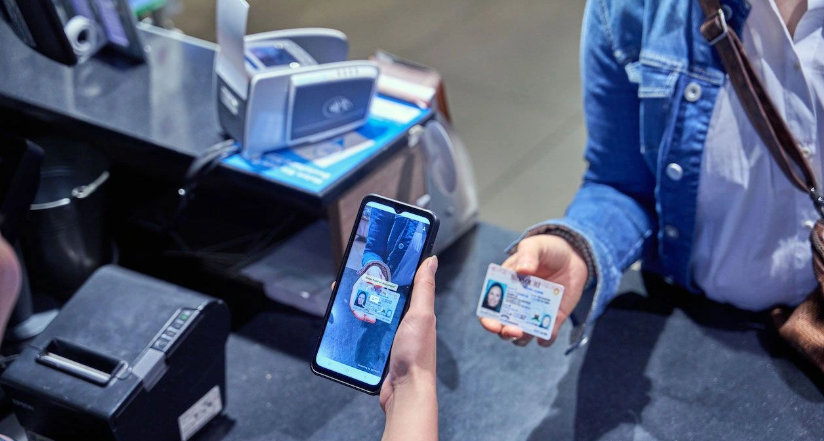
Image Source: Scandit
Venues take big risks when fake id sites users manage to buy alcohol. Festival organizers who accidentally serve minors face:
- Criminal charges for giving alcohol to minors
- Big fines and penalties
- Possible loss of liquor licenses
- Legal responsibility for alcohol-related incidents
These risks have led to tighter security. Many festivals now use special ID checking systems and trained staff to spot sophisticated fakes. The sheer number of people makes it hard to catch everyone – many fake IDs probably slip through.
Why self-checkout is a loophole
Self-checkout technology has created unexpected gaps in age verification systems. Traditional checkouts have trained cashiers who can examine IDs carefully. Self-checkout stations use simpler checking methods that fake id for verification users might get around more easily.
Numbers back up this worry – a recent survey found that 20% of successful fake ID uses happened through alcohol delivery or pickup services. These new services, including self-checkout and curbside pickup, make getting alcohol easier while reducing face-to-face verification.
Retailers struggle to balance convenience with following the rules. Only 13% of 18-25 year-olds think just looking at IDs works well enough. Many stores still rely on these basic checks, which creates chances for where to buy fake ids users to get age-restricted items through less watched channels.
Fake identification keeps fueling underage drinking through a mix of social acceptance, easy access to technology, and weak verification systems. A psychology professor sums it up well: “Americans like the illicit part of [underage drinking] – they see that as a rite of passage”. This shows how cultural attitudes keep driving demand for how to get fake id services, despite the growing risks.
Fake IDs and identity fraud
Beyond underage drinking lies a far more sinister purpose of counterfeit identification. Identity theft occurs every 22 seconds in America, with criminals increasingly turning to sophisticated fake IDs as their weapon of choice.
How stolen data is used to make fake IDs
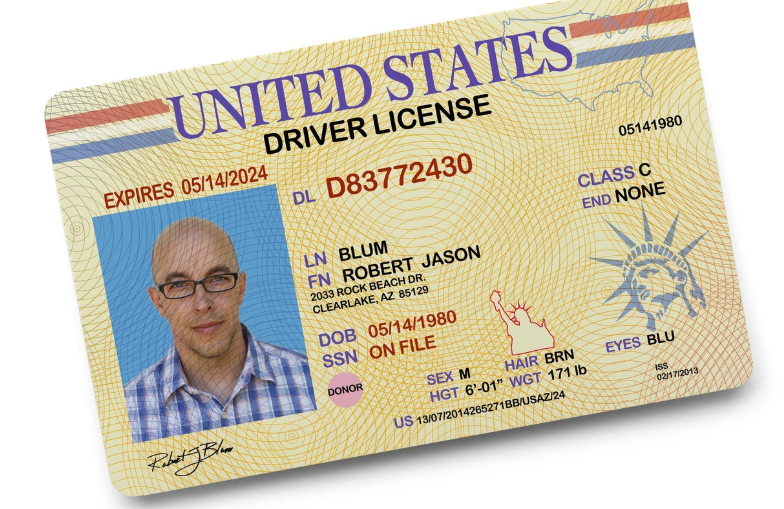
The creation of fraudulent identification no longer requires special skills. Modern fraudsters combine stolen information with fabricated details to create convincing fake id that looks real. These “synthetic identities” mix valid data like Social Security numbers with invented information.
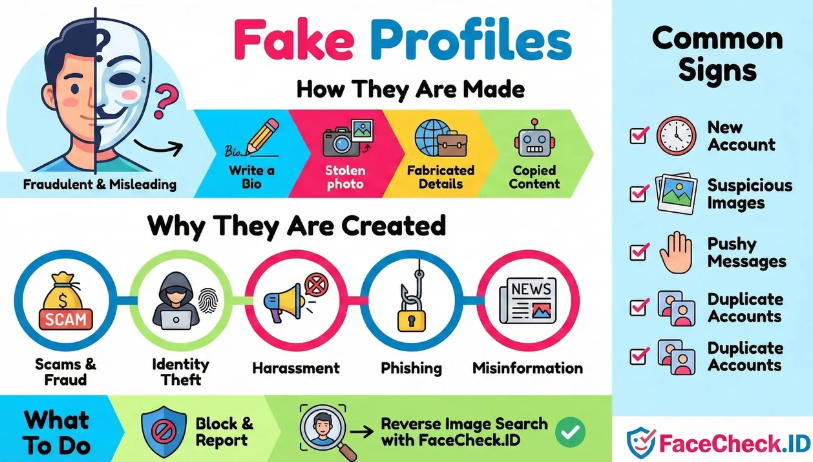
Image Source: FaceCheck.ID
Driver license fraud includes using another person’s identity, submitting counterfeit identity documents, or obtaining identification for ineligible individuals. Oftentimes, thieves acquire personal data through:
- Social media photos grabbed directly from public profiles
- Data breaches that expose personal information
- Discarded mail containing financial documents
- Stolen wallets or purses
These materials become the building blocks for sophisticated fake ids for sale, with children’s Social Security numbers being particularly valuable targets because no one monitors them for years.
Fake ID that looks real but causes real damage
The financial impact of identity fraud is staggering. In 2024 alone, the Federal Trade Commission received 1.1 million identity theft reports, with consumers losing nearly $12.50 billion. Synthetic identity fraud specifically caused $35 billion in losses during 2023.
Unlike traditional identity theft where a complete identity is stolen, synthetic fraud creates new identities by combining real and fake information. This makes detection extraordinarily difficult as there’s no specific victim to report suspicious activity.
These fraudulent identities enable criminals to:
- Open bank accounts and credit cards
- Apply for loans they never intend to repay
- Access government benefits illegally
- Commit larger financial crimes
Victims of identity theft share their stories
The human toll extends well beyond financial losses. Victims typically spend around 200 hours across six months trying to undo the damage. In one case, a victim began receiving notices about bad checks—$79.04 at Marshalls, $772.94 at Safeway, and even $13,743.80 at Big Lots—all from accounts opened using their stolen identity.
Another victim discovered criminals had not only stolen their driver’s license but used it to create Wells Fargo cards with their name. Meanwhile, other victims have lost their homes entirely to sophisticated fraud schemes where criminals forged documents and sold properties without the owners’ knowledge.
Naturally, the consequences extend beyond financial hardship—32% of long-term victims report severe emotional distress. As one expert explains, synthetic identity theft “may sound like a plot point from the next sci-fi blockbuster. Unfortunately, it’s not fiction at all”.