
Students increasingly use fake IDs in college, with about 40% of third-year students admitting they have one. This trend makes the quest for quality fake IDs more significant than ever in 2026.
The numbers paint an even more dramatic picture at Ohio State University, where an informal survey revealed that 70% of students owned or used fake identification. Our research dives deep into this controversial yet enduring practice.
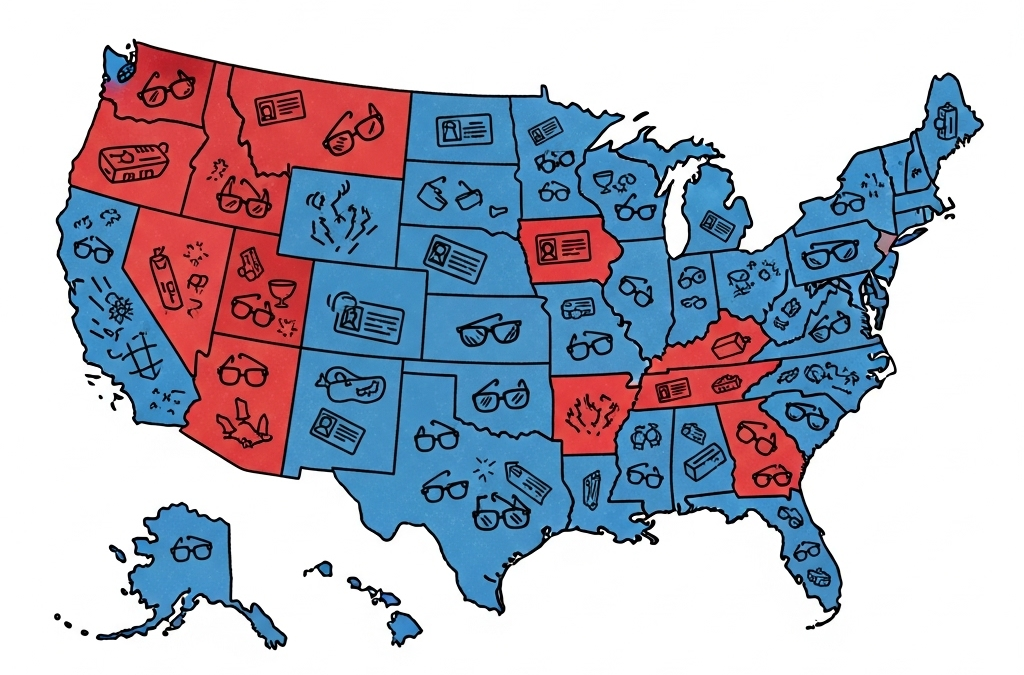
Recent data shows fraudulent IDs make up more than 1% of all IDs in states where they’re most common. The top-ranked state showed fake ID rates 20 times higher than Massachusetts, which maintained the lowest percentage. States like Ohio, Mississippi, Georgia, and Texas lead the pack in fake ID production.
Their ID designs and materials make them easier targets for replication. Quality matters when it comes to pricing – expect to pay between $100-$150 for a decent fake ID. Cheaper options around $30 usually come from cyber cafes and won’t pass even basic scrutiny.
This guide provides an overview of U.S. state IDs based on ease of replication, security upgrades, and frequency of online mentions or reported scan success. Whether you’re conducting academic research, assessing document security, or simply curious about which state IDs are considered more complex or straightforward, this comprehensive breakdown can help.
The Rise of Fake IDs in 2026
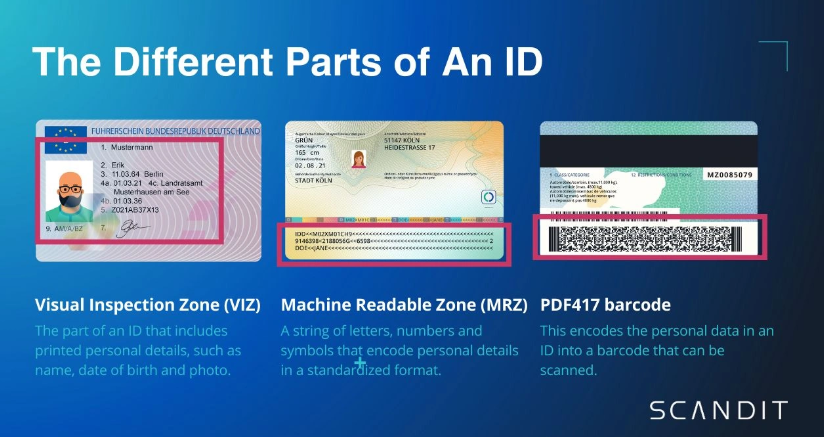
Image Source: Scandit
Selecting one out of the best states for fake id 2026 may not be as simple as giving you a list. More important than the best fake ID state list, you need to know why you should choose a particular state and not the other. We will also show you the worst states to use for fake ID and why you should avoid them like the plague out to get you. Guess what? Nobody is catching you. Not on our watch!
The fake ID market has altered the map in 2026. What started as dorm room operations has grown into a sophisticated global industry. Simple craft has become available service, bringing serious implications for businesses, law enforcement, and underage consumers looking for age-restricted products.
Security measures keep advancing, yet fake IDs remain remarkably common nationwide. An astonishing 69% of college students surveyed report having owned or used a fake ID at some point. This systemic usage happens because 71% of respondents believe getting a fake ID is “somewhat easy” or “very easy”.
People’s reasons for wanting fake IDs haven’t changed much. Recent surveys show these counterfeit documents see most use at:
- Liquor stores (56%)
- Alcohol delivery services (20%)
- Cannabis dispensaries (19%)
Location plays a big role in picking the best fake id state. Some areas show higher numbers of people who bought or plan to buy fake identification. States like Ohio stand out as top choices for convincing replicas among other popular options.
In spite of that, the market goes beyond underage drinking. Some people need fake IDs because they lack valid government identification. Others use them for employment fraud, financial schemes, or anonymity. More worrying cases show sophisticated fake IDs enabling synthetic identity fraud—mixing real and made-up personal information to create new identities for criminal activities.
So, when selecting the best fake ID state for online verification, you may need to consider states with endless orders like California. Better still, ID providers like Fakeyourid would be willing to recommend the best states for this use if you need the help.
1. What Type of Fake ID Do You Need?
The second factor you need to keep in mind when considering how to choose a fake ID state is the type of ID you need. For many reasons, the most popular ID in the US is the driver’s license. However, other identification documents include state IDs, employee IDs, etc.
NOTE:
Knowing what you need a phony ID for will help you determine the type of ID that would be best for you. And knowing the kind of ID you need will enable you to decide the best state to choose for a fake ID.
2. Where Your Fake ID is Used?
Perhaps one of the most critical factors you must consider when choosing the best fake ID state is where you intend to use the ID, especially if you need it to access age-restricted places like clubs and bars.
It gets a bit tricky from here. Are you going to use it in the same state or another? The bottom line is to know as much as possible about the state you choose to enable you to respond confidently if bouncers feel the need to scrutinize your ID.
The popular belief is that bouncers know all the features of a valid ID in the states they operate and can spot a counterfeit even if it’s a scannable fake ID. However, if you decide to get an out-of-state ID, you also have to be familiar with the state and the security features of the card to sound believable.
3. How technology has changed the game
Fake id usa production has seen a tech revolution. Getting a fake used to mean “handing over cash for some laminated product slapped together by amateurs in a dorm room or head shop”. So constant upgrades to license designs have made poor-quality fakes useless.
Overseas production rules the market in 2026. One student entrepreneur told about getting fake IDs from a Chinese company at $35 per ID, which he resold for $80, making good money. He proved himself as a reliable customer and started getting the IDs free, showing how modern fake ID operations work.
AI has put sophisticated forgery in everyone’s hands. “AI is obviously a big topic that everyone talks about today. Generative AI, the ability for any person, you don’t even need to be a fraudster anymore. It’s at the hands of everyone to be able to generate fake IDs online. $5.00, $10.00. Quite simple,” says one identity verification CEO.
The best states for fake id production now feature advanced security elements once found only in official government IDs:
- Holograms and UV features
- Laser engraving
- Polycarbonate construction (same material as real IDs)
- Barcode functionality that passes scanners
Cryptocurrency payments and darkweb marketplaces have created secure, anonymous deals between buyers and sellers. Online vendors list replicas by state and take untraceable payments, making enforcement harder.
Security technology like ID scanners keeps improving, but the best fake id options still beat commercial verification systems. One police chief pointed out, “The quality of IDs have improved over time, and there’s always going to be new technology to overcome whatever steps we’re taking”. Only state database access can prove authenticity—something most businesses don’t have.
For example, it’s a red flag when you can’t tell the validity period of identity cards from the state you claim to have issued one.
What Makes a State Good for Fake IDs
The choice of state for a fake ID isn’t random. People who make counterfeit IDs target specific states based on several factors. Texas, Arizona, and South Carolina show up most often as the states where fake IDs come from, and there are good reasons why.
Simple design and easy materials
A state ID’s design complexity determines how hard it is to copy. States with clean, structured layouts become easy targets. Arizona ranks third in counterfeited IDs because its format is easy to recognize. The state’s desert landscape is well-known but bouncers from other states don’t study it too closely.
South Carolina comes in second place for fake IDs. Their older versions didn’t have many complex security features compared to states like California or New York. This made them easier to copy.
When we look at what makes a state the best fake id state, multiple design versions help counterfeiters. Texas leads with the highest number of fake IDs in circulation. The state has changed its design several times in the last decade. This creates confusion about which features should be on the ID based on when it was issued. Bouncers struggle to tell if an older-looking design is real or fake.
Low enforcement and familiarity
People’s familiarity with certain IDs plays a big role in their popularity among counterfeiters. Big states like Texas have so many real IDs out there that everyone thinks they know what they look like. This works in favor of fake ID makers because people don’t check Texas IDs as carefully.
Different regions handle fake IDs differently. Studies show New England has the most under-21s who think about getting fake IDs and find them easy to get. The West North Central region shows the least interest.
College towns create perfect conditions for fake IDs. Arizona has lots of young people, thanks to big schools like Arizona State University with its 80,000 students. This creates a natural market for Arizona fakes.
Vendor profitability and demand
The business side of fake IDs determines which states become popular targets. Students will pay extra for quality, and makers improve their techniques to meet this demand. This explains why certain states become the best fake ids choices.
The market stays strong nationwide. About 71% of people surveyed think getting a fake ID is “somewhat easy” or “very easy”. This belief keeps the market going, especially in states with strict age laws.
Students in states like New York, California, and Georgia will pay up to $100 for high-quality fake IDs that pass scanning systems. The price reflects several factors:
- Better security features need fancier equipment
- Stricter laws mean bigger risks
- High demand in some areas pushes prices up
FOMO about social events and nightlife keeps demand high. Students don’t mind paying more when they feel left out. Economists call this fake ID inelasticity – prices go up but people still buy them.
Online black markets and cryptocurrency have made selling fake IDs safer and harder to trace. Websites based in countries with loose laws can make thousands each month selling to students worldwide. This makes some state ID designs very profitable to copy.
Top 10 Best States for Fake IDs in 2026
These ten states stand out as the most replicated for counterfeit IDs nationwide in 2026. Each state brings its own perks depending on your situation and experience level.
1. Arizona – Best for beginners
Arizona sits at third place for most counterfeited state in America with a 1.09% fake rate. Its desert landscape design is well-known but out-of-state verifiers don’t study it much. Arizona gives first-timers a sweet spot between recognition and ease of replication.
Arizona IDs are appealing because they use 100% polycarbonate material with multiple fused layers. Real Arizona IDs show a howling coyote and “Arizona” under blacklight on one side—many places don’t have the tools to check this. Plus, Arizona has rolled out several designs in the last decade, which creates confusion about security features.
2. Connecticut – Low-key and reliable
Connecticut fake IDs work great without drawing attention. While bouncers carefully inspect high-profile states, Connecticut slides by with less recognition but better success rates.
The state handles fake IDs differently—places might ask you to sign a sworn statement instead of taking the ID. This makes things easier for users. The risk includes fines between $200-$500 and up to 30 days in jail for having a fake ID.
3. Florida – High quality, high reward
Florida produces some of the most sophisticated fake IDs around, with complex security features like optically variable ghost photos and UV-reactive state outlines. These IDs work well across the country thanks to Florida’s tourism and solid reputation.
The risks match the sophistication. Florida sees fake ID possession as a third-degree felony—you could face up to five years in prison and $5,000 in fines. Purchase Scannable Fake ID options that include working barcodes and magnetic strips to maximize authenticity.
4. Illinois – Balanced and believable
Illinois hits the sweet spot—people recognize it nationwide but don’t inspect it like Florida or Texas. The design uses high-line fine-pattern guilloche backgrounds and color-shifting inks.
You’ll face similar middle-ground risks. Having a fake Illinois ID counts as a Class 4 Felony with up to 3 years in prison. Still, Illinois remains popular since its balanced design features make it great for general use.
5. Pennsylvania – Solid and underrated
Pennsylvania performs well as an underrated choice. The state uses the “F.E.A.R.” method for ID checks: Feel for alterations, Examine details, Ask questions, and Return only if satisfied. This standard approach makes Pennsylvania IDs easier to work with.
First offenses in Pennsylvania come with summary charges, up to 90 days in jail, and a $300 fine. Pennsylvania gives users a good balance of risk and reward, making it perfect for those who want reliability over flash.
6. Mississippi – Simple but effective
Mississippi keeps things simple with fewer complex security features than California or New York. This makes Mississippi IDs a good choice for basic needs.
Using fake IDs in Mississippi can lead to $500 fines and 30 days of community service. Mississippi law works in your favor—places can’t take fake IDs but must report them to authorities.
7. Georgia – Easy to pass in most places
Georgia puts star markings, UV-reactive features, and raised birthdate lettering on their IDs. These security elements are easier to copy compared to other states.
Licensed establishments in Georgia can take fake IDs but must tell local law enforcement. This extra step means Georgia fakes often face less scrutiny, especially outside state lines.
8. Ohio – Popular but needs precision
Ohio remains a top choice but requires attention to detail. The state lacks specific laws about businesses taking suspected fake IDs, which leads to mixed enforcement.
Using a fake ID breaks Ohio’s Section 2305.46, making it a third-degree misdemeanor. Anyone who tries to deceive by providing, wearing, using, or having a false ID faces consequences. Despite these risks, Ohio fakes remain common on college campuses nationwide.
9. California
Based on the order books, you can say that the California ID is the best fake identity card, perfect for every teenager like you hoping to boycott prying eyes while you grope for nectar. While many things can make a particular id popular for buyers, you have to consider the facts of your circumstances to decide if it is the best for you.
California has a rich history of drinking culture built over the years by adults and teenagers alike. This may be why the license is popular in the fake identity card market, but it wouldn’t be popular if it weren’t easy to replicate.
The only challenge is that the new template requires the use of polycarbonate, which is a costlier material than Teslin. For this reason, it makes little profit for ID makers and costs you more than other state IDs.
Regardless, Cali is still one of the best states for fake id 2022, and you can begin to lay the foundations for your teenage fantasies through Fakeyourid.
10. Mississippi
The Mississippi ID template favors a degree of simplicity that fake ID users like you find charming and endearing. Unlike some recent improvements like the one Florida did, the Mississippi ID template is still very much with the technology and skill of faux ID makers like Fakeyourid.
So, when wondering which fake ID states are best, Mississippi bubbles up among the first choices, given that it’s relatively easy and cheap. The Mississippi ID is essential, especially for newbie phony ID users who need to build confidence by starting with IDs with fewer security features.
The Mississippi ID is easily scannable, and the order rate is high.
Picking the right state for a fake ID needs smart planning beyond just going with what’s popular. My research shows that your choice of state can make or break your success rate. Let me show you what sets apart newcomers from people who know how to get through ID checks.
How to Choose the Right State for You
Avoid your home state
Using an ID from another state cuts down your chances of getting caught. Local bouncers and clerks know their state’s ID features inside out, which helps them spot fake local IDs more easily. Staff in college towns and tourist spots see lots of out-of-state IDs, so these documents don’t get as much attention.
Here’s something to remember: an out-of-state ID makes it less likely that staff who might know you will recognize the discrepancy. This anonymity makes crossing state lines on your fake ID one of the smartest moves you can make.
There’s another practical reason vendors tell you to avoid your home state—authorities can quickly check your identity against state records if questions arise. An out-of-state ID makes verification harder and more time-consuming, so many places won’t bother with it.
Pick a state you can talk about
The best fake id state should line up with places you actually know. Yes, it is much more believable when you can talk about local details of your supposed home state. Most fake ID users don’t get caught because of poor document quality—they fail because they can’t answer simple questions about “their” state.
Think about these factors when picking a state you know well:
- States you’ve visited or lived in temporarily
- States where friends or family reside
- States whose sports teams you follow
- States with distinctive geographical features you understand
Some users add accents, addresses, or backstories that match their chosen state. This attention to detail sets apart experienced users from beginners. The best fake ids come from states whose culture you can represent naturally.
Match your look to the ID
Your physical appearance should fit the demographic profile of your chosen state. ID details like name formats and address styles need to match what people checking IDs expect to see. A Hispanic surname on an Idaho ID might raise eyebrows, while it would look normal on a Texas or Arizona ID.
Location matters too—picking nearby states reduces obvious issues with time zones or travel patterns while still making you an out-of-towner. A Michigan resident with a Wisconsin ID seems more realistic than someone showing an Alaska ID without a good story.
People who want a truly convincing match should look into professional options. Purchase Scannable Fake ID services that focus on specific states can make sure all visual elements match your appearance perfectly.
The best states for fake id options also depend on market reputation. Some states are known in underground markets for having templates that are either easy to copy or look very convincing. Ohio fake IDs stay popular for this reason—they strike a good balance between being recognizable and looking authentic.
Tourist patterns play a role too. Students and travelers usually pick states that fit common travel routes to avoid drawing attention. A Florida fake makes sense in southern tourist spots, but an Idaho ID in Miami might lead to questions about your reason for being there.
How to spot a Bad fake ID
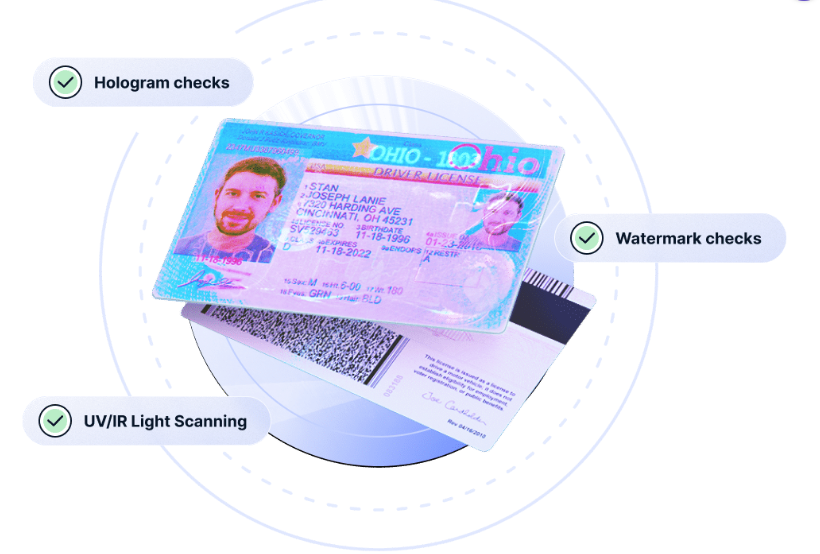
Image Source: IDScan.net
Even the best fake id state options have clear signs that reveal their true nature. You can spot fake IDs or understand why they get rejected by knowing what to look for. Let’s get into the most common red flags that expose even the most sophisticated counterfeits.
Wrong font or spacing
Trained eyes can spot font problems that reveal counterfeit documents right away. Real government IDs use exact typography throughout, but fakes often show subtle differences. You’ll notice mismatched fonts across different parts of the ID or irregular spacing between letters. The state name, address fields, and identification numbers need standardized, matching typefaces.
Text quality is a dead giveaway too. Real IDs have sharp, clear text that stays crisp under magnification. Fake IDs usually show blurry or pixelated letters, especially in smaller text areas. The letters might look fuzzy around the edges or appear slightly warped compared to genuine IDs.
Missing UV or holograms
UV features are one of the best ways to check if an ID is real. Real IDs show specific state patterns or text under ultraviolet light that counterfeiters don’t deal very well with. To cite an instance, California shows a lighter UV image of the driver. Smudged UV elements or patterns you can see without UV light point to a fake.
Hologram quality sets amateur fakes apart from professional ones. Real holograms shift naturally when viewed from different angles. Poor counterfeits have static elements instead of dynamic ones. Low-quality holograms look like stickers rather than being part of the card material.
Barcode doesn’t scan
A quick barcode check can tell you if an ID is real. The encoded data should match the printed details exactly. Any differences between scanned information and what’s on the card are sure signs of tampering. Some fake IDs might scan but still have wrong state codes or mistakes in license numbers.
Note that successful scanning doesn’t guarantee a real ID. Counterfeiters now use PDF417 barcode generators to create working barcodes with fake information. The barcode might scan fine but still contain false data. The scanned information must match government records for complete verification.
Feels like paper or sticker
The way an ID feels can tell you a lot about whether it’s real. Government IDs have a specific weight and texture that’s hard to copy. A fake ID might feel too light, flimsy, or stiff. Real IDs bend slightly without creasing and maintain the same thickness everywhere.
The laminate quality is another physical clue. Government-issued cards have perfectly applied laminate. Look for bubbles, peeling edges, or uneven coating – these hint at fraud. The card’s edges should be smooth and precise, not rough or uneven.
How to Use a Fake ID Safely
A quality fake ID is just the first step – you need strategy and caution to use it well. Many young adults see fake IDs as a “right of passage,” but smart usage reduces risks and improves success rates.
Don’t overuse it
Smart fake ID users know moderation makes all the difference. Using it too often at the same places creates unnecessary risk of getting caught. We used these IDs mainly for special occasions to keep them effective.
Timing plays a significant role when using your best fake id state option. Staff members pay less attention during rush hours because they need to move lines quickly. Weekend nights and busy evenings give you better odds than quiet weekday afternoons when staff can inspect documents carefully.
You should switch between different venues. Using the same fake id usa at similar locations creates familiarity with staff who might spot inconsistencies. New venues usually check IDs less thoroughly than places where staff recognize your face.
Avoid high-security places
Venues differ in how they check IDs. Government facilities, airports, and high-end nightclubs employ advanced verification methods that detect even the best fake ids easily. These places use specialized training and equipment to catch fake identification.
Big chains and corporate venues have stricter rules than independent businesses. Chain liquor stores and popular bars follow company-wide verification policies. Small independent shops rely on basic methods.
Venues near colleges watch for fakes more closely due to their frequent use in these areas. Research a location’s ID checking reputation before trying your ohio fake id or other state variants.
Be polite and walk away if questioned
Your composure matters most if your ID gets extra attention. Your attitude can make or break the situation. Sometimes confidence without showing off determines whether they accept or reject you.
Keep responses simple if questioned. Nervous people tend to overexplain details about their ID. A polite exit is your best move if a bouncer or clerk seems doubtful. Getting defensive or arguing only makes things worse and might bring in the police.
Note that places can’t legally hold you just because they suspect your ID. Stay polite but firmly decline to wait for authorities if confronted.
The Future of Fake IDs in the USA
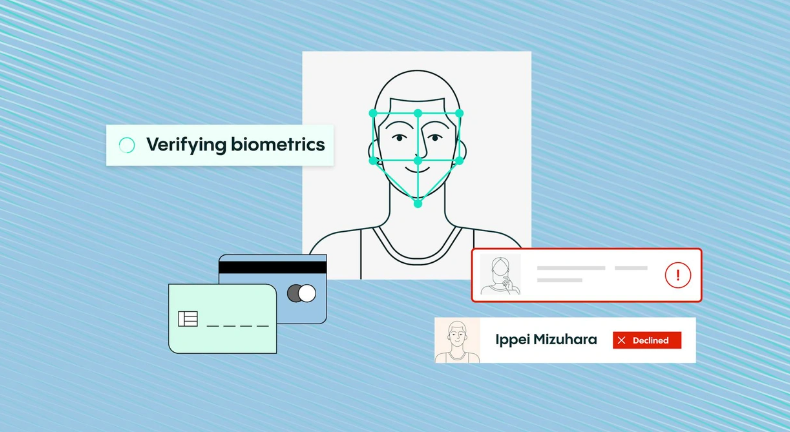
Image Source: Veriff
AI and technology have reshaped the scene of fake ID production. The once specialized craft has become an AI-powered industry that’s available to anyone who can access the internet.
AI-generated IDs and online use
Fake ID production has become democratic. Services like OnlyFake and VerifTools employ generative AI to create near-authentic documents for as little as $5-15. These platforms let low-level criminals produce convincing forgeries without special equipment. AI tools like ChatGPT now account for 2% of all detected fake documents, just six months after their first appearance.
Stricter enforcement and tech upgrades
Law enforcement has stepped up its game. The New York DMV’s “Operation Prevent” seized over 340 counterfeit IDs in 2025. New detection systems use machine learning models that train on both genuine IDs and known AI-forged documents. Companies have responded by implementing multi-layered verification that combines biometrics, device telemetry, and blockchain technology.
What to expect in 2027 and beyond
The year 2026 will likely see AI-driven autonomous fraud surge. AI fraud agents will run entire fraud operations with minimal human input and conduct high-speed, multi-step attacks at scale. US fraud losses from generative AI could hit $40 billion by 2027, up from $12.30 billion in 2023. This technology race will decide which best fake id state options stay viable as creation and detection tools advance.
Conclusion
Fake IDs are still a fact of college life in 2026, even with better security measures and legal risks. This piece looks at why states like Arizona, Connecticut, and Florida are the top picks for fake ID makers. These states have designs that people recognize but can copy easily. They also have reasonable law enforcement and lots of underage buyers.
The fake ID business has changed from basic dorm room setups to a complex worldwide operation that runs on AI. Quality now sets the price – you’ll pay $100-150 for a decent fake, while those sketchy $30 ones should make you think twice.
We need to be clear – getting a fake ID is a bad idea. The legal trouble isn’t worth it. Each state has its own penalties, but you could face big fines, probation, jail time, and mess up your school and job chances. In spite of that, this underground market keeps going, and people should know what they’re getting into.
The tech battle between fake ID makers and law enforcement will only get more intense. AI-made IDs that cost just $5-15 will be everywhere, while detection systems using biometrics and blockchain will get smarter. What passes for real today might not work tomorrow as both sides keep improving their tech.
Education works better than just enforcement to stop fake ID use. Without doubt, even though nearly 70% of college students have owned or used fake IDs, knowing the real risks might help young people think twice before betting their future on a fake piece of plastic.
Key Takeaways
Understanding the fake ID landscape can help you recognize the serious risks and consequences involved in this illegal activity.
• Arizona, Connecticut, and Florida top the list as most counterfeited states due to simple designs, low enforcement familiarity, and high replication success rates.
• Quality fake IDs cost $100-150 while anything around $30 is likely a poor-quality fake that won’t pass basic inspection at most establishments.
• Legal consequences are severe ranging from $200-$100,000 fines, up to 10 years imprisonment, and permanent criminal records affecting future employment and education.
• AI technology has revolutionized production making fake IDs accessible for as little as $5-15, while detection systems are simultaneously becoming more sophisticated.
• Strategic usage involves avoiding your home state picking locations you can discuss authentically, and never overusing the same ID at identical venues.
The fake ID industry continues evolving rapidly, but the legal and personal risks remain consistently high. With 69% of college students reporting fake ID use, understanding these realities becomes crucial for making informed decisions about the potential consequences of participating in this illegal market.
FAQs
Q1. How can I spot a fake ID in 2026? Look for blurry fonts, inconsistent spacing, missing or incorrect holograms, and UV features. Also check if the barcode scans correctly and matches the printed information. The texture and quality of the card material can also indicate a fake.
Q2. Which state’s ID is considered the most secure or well-designed? Wisconsin’s driver’s license has been recognized as the “Best ID Card” by an international association in the card manufacturing industry. It likely incorporates advanced security features that make it difficult to replicate.
Q3. Will using a fake ID affect my future job prospects? Yes, getting caught with a fake ID can have serious consequences. It may result in a criminal record that shows up on background checks, potentially impacting future employment opportunities, housing applications, and loan approvals.
Q4. How has technology changed fake ID production and detection? AI and machine learning have made it easier to create convincing fakes, with some services offering AI-generated IDs for as little as $5-15. However, detection systems are also becoming more sophisticated, using biometrics, blockchain, and AI to identify forgeries.
Q5. What are the typical legal consequences for possessing a fake ID? Penalties vary by state but can include fines ranging from $200 to $100,000, jail time from 90 days to several years, and potential felony charges. Additionally, academic institutions may impose disciplinary actions like suspension or expulsion.

North Carolina id is changed now. Faking that id would be impossible ! The id comes with a plethora of UV features. Hell! You can’t even tell how many features are hidden in that license now. So it’s probably not the best state for ordering in 2026.
Tennessee ids are now real id compliant. Can FYD release the newer version? It comes with UV features on the back and front both. TN is one of the most frequently ordered states so it would be nice to have the 2026 temp.
Tennessee is already updated by fakeyourid . but if you are using instate try Texas id instead. Works well with a matching SSN or Credit/Debit card.
Ohio is not one of the best states for fake id anymore. If you are trying to use instate use some other option. Ohio is one of the most confiscated states when it comes to fake ids. stay away from Ohio! unless you are using it out of state
Y’all should try Ohio from idtop. worked for me even instate mostly at bars. never tried in a pharmacy or grocery store. should work fine if you back it up with some sort of cc or debit card matching ur name!